
2024
Rebuilding a website for a company that was reinventing itself
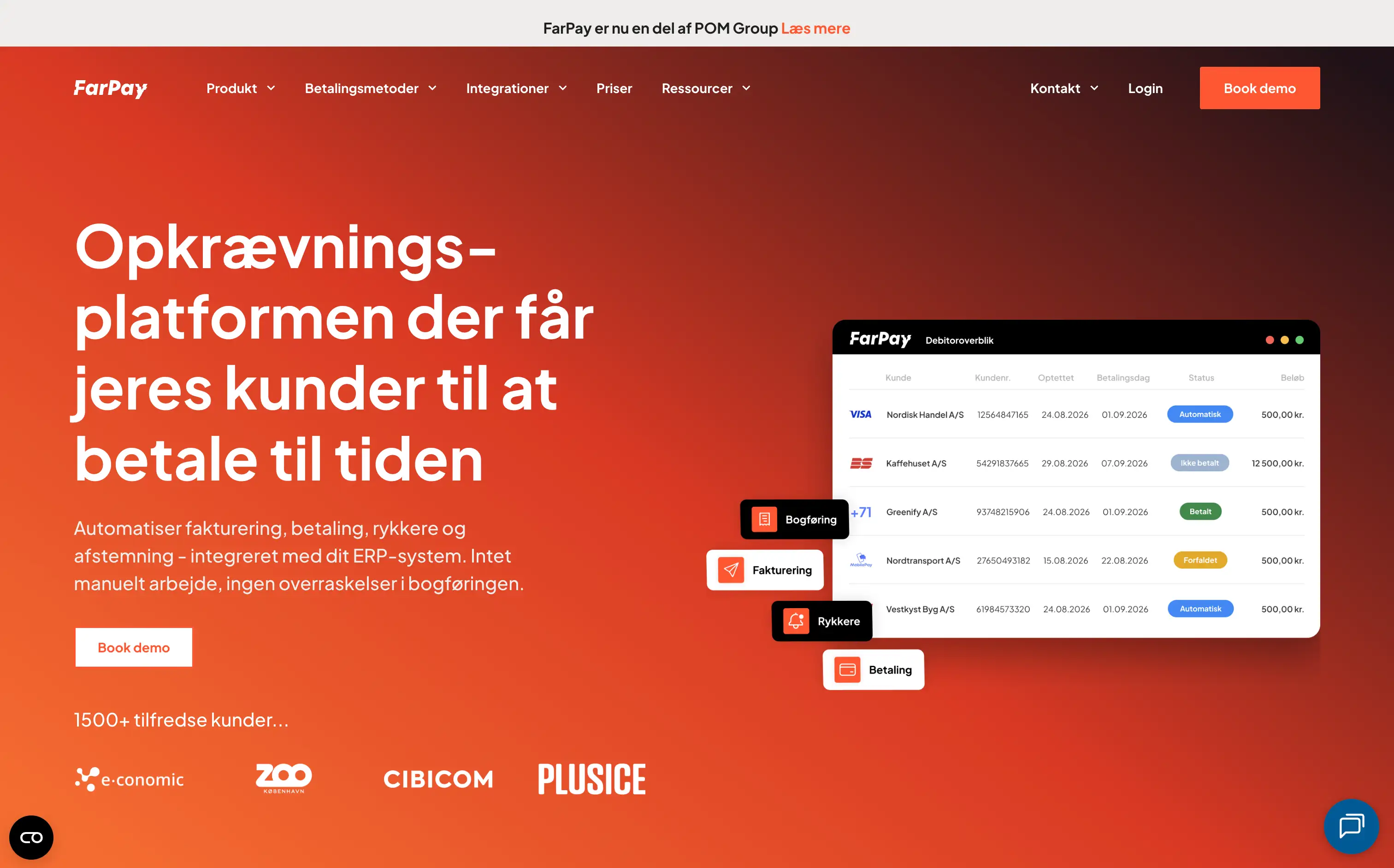
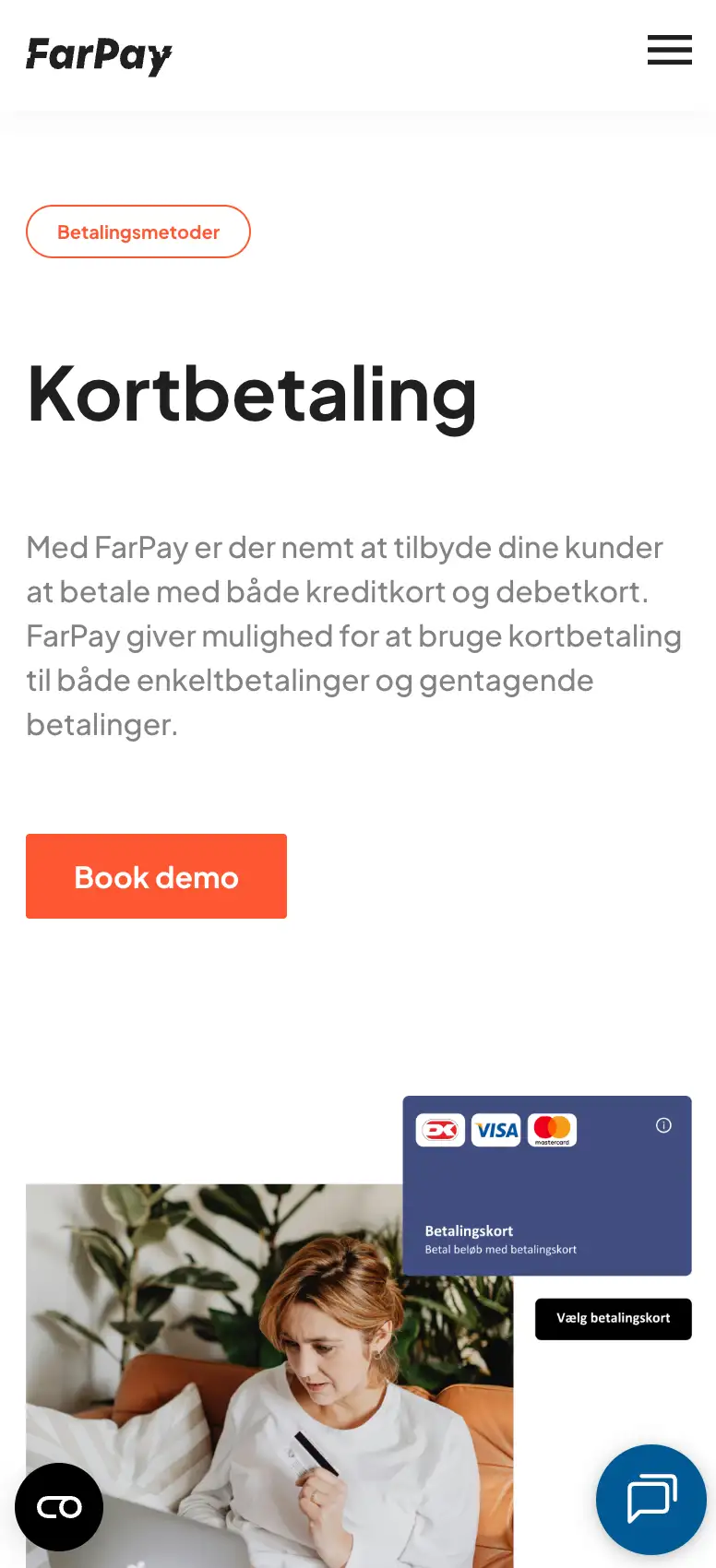
FarPay's old website couldn't tell you what FarPay did. I threw it out, cut 300 pages down to 50, and built a new one from flexible modules, so the team could ship new pages in minutes instead of weeks. It launched in February 2025. Nine months later, FarPay was acquired by POM Group, a larger European payments company.

Context
FarPay automates invoicing and payments for small and mid-size businesses. I was the solo designer on this project at Helion B2B, the marketing agency FarPay hired to help it grow. I ran the project end to end: the sitemap, the design system, the wireframes, the build in WordPress, and every stakeholder meeting along the way. A separate team handled the new brand identity. My job was to turn that brand into a working website.
The problem: a confusing site, at the worst possible time
FarPay was about to launch a new growth strategy, built around a new brand and a new way of talking about the company. The old website worked against both. It was abstract and hard to follow, and it failed at the one thing a website has to do: explain what the company sells and why it matters.
That mattered more than usual, because every other marketing channel FarPay planned to invest in (ads, content, sales outreach) would send people to this site. It needed to make a strong first impression, hold up on a second visit, and still make sense on the thirty-first. And it needed to do all this while FarPay scaled fast, which meant the team had to be able to build new pages themselves, quickly, without waiting on a developer.
What I did
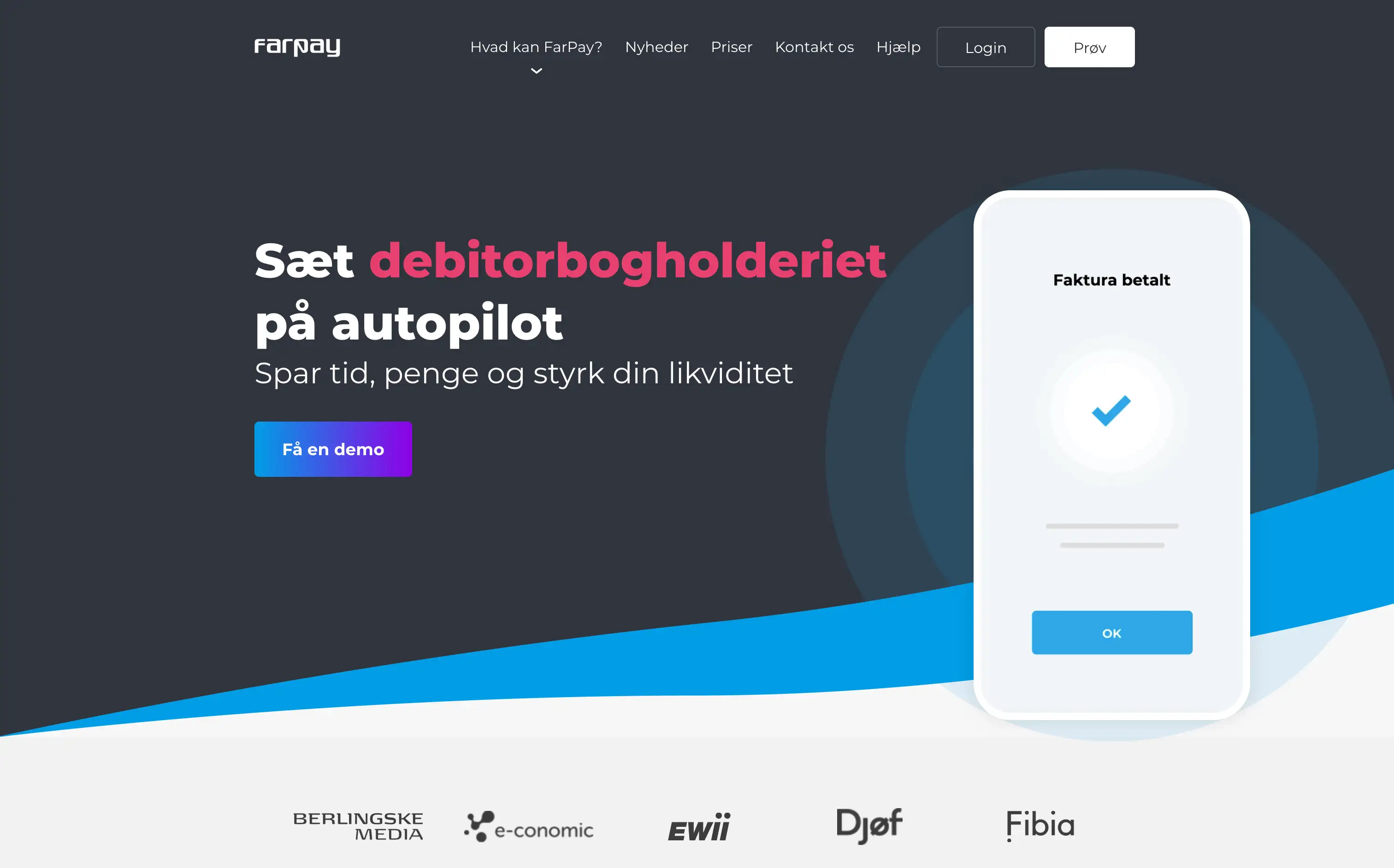
300 pages became 50. I went through FarPay's old site page by page. Most of it wasn't being used and wasn't earning its place. I cut it down to the 50 pages the business actually needed. The rest was noise standing between a visitor and the point.
The sitemap followed the user, not the org chart. With those 50 pages, I mapped out what content lived where and rebuilt the structure around how someone actually finds and buys FarPay's product, not around how FarPay's internal teams were organized. That became a sitemap with real user journeys attached to it, not just a list of pages.
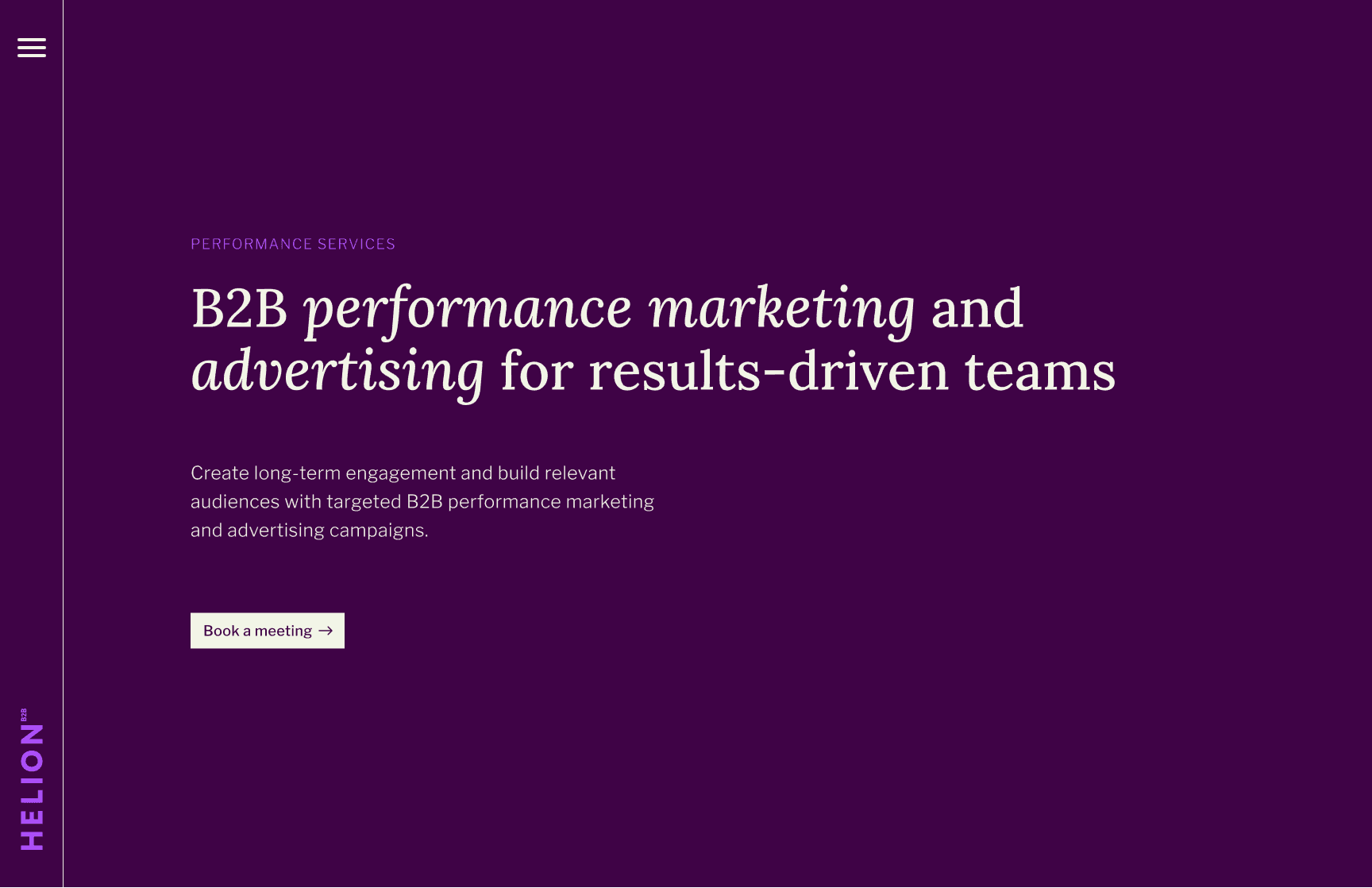
The visual direction got tested before the pages did. Before I designed a single real page, I mocked up what the new brand could look like applied to a website. Getting that right first meant I wasn't redesigning finished pages later because the brand didn't translate to screen the way everyone assumed.
A component library did the stakeholder alignment, not endless meetings. Once the direction was approved, I built a design system and component library in Figma and used it to wireframe the 15 most important pages. That let every stakeholder sign off on layout and content before I touched WordPress. Changes are cheap in Figma and expensive once a page is built.

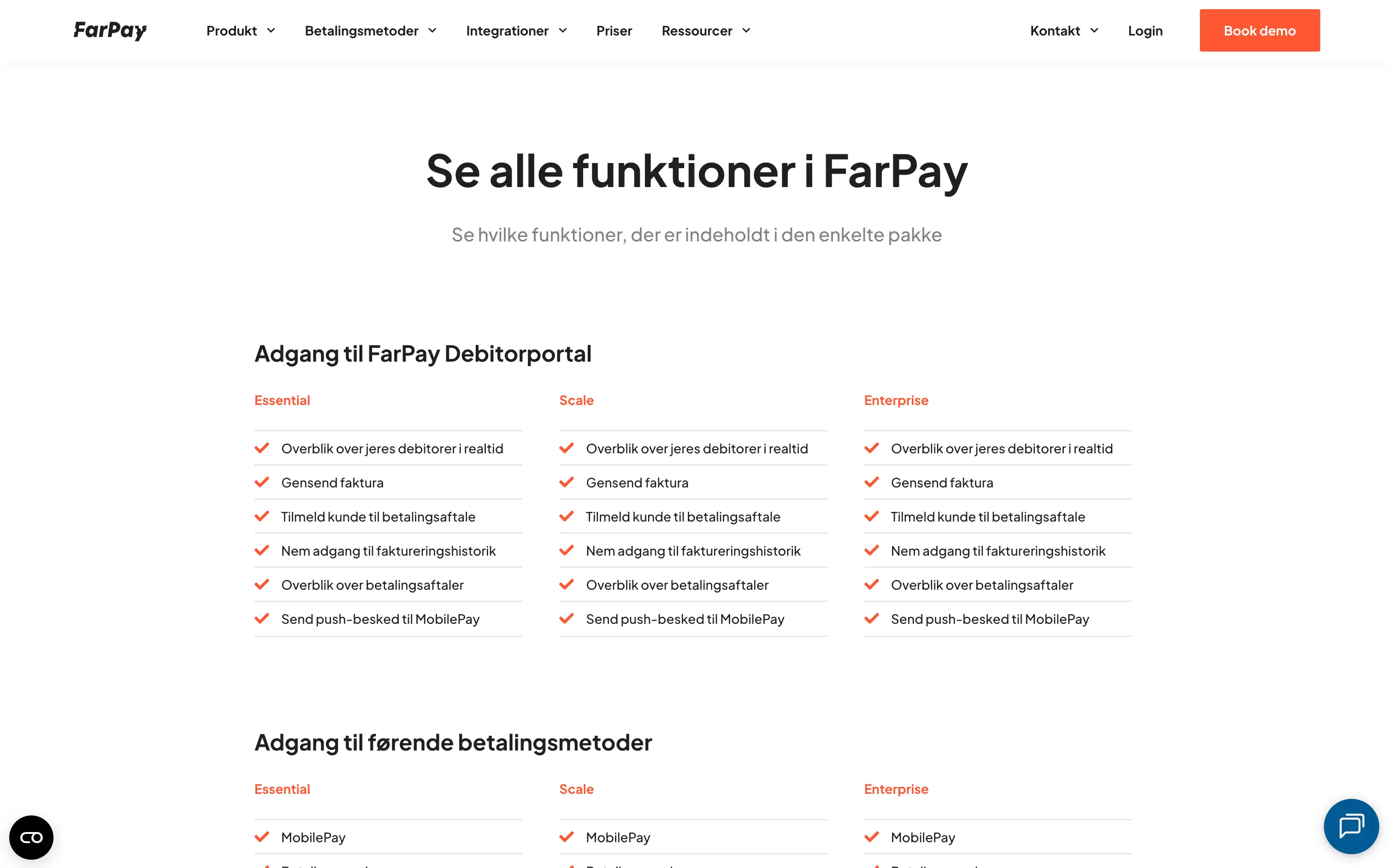
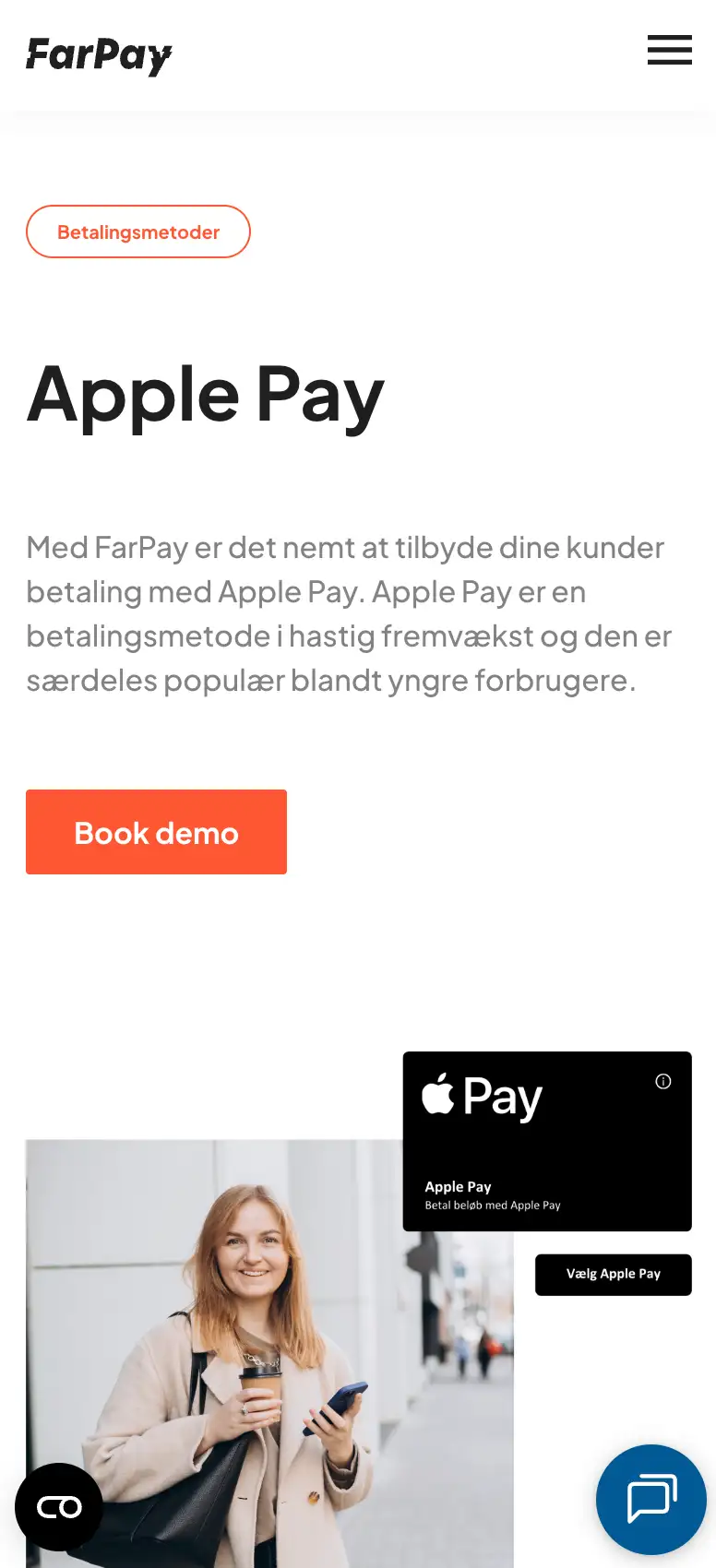
The final site was built from modules, not one-off pages. The result is a website assembled from a flexible module system: on-brand by default, fast to update, fast to extend. FarPay's team can build a new page in a fraction of the time the old site would have taken.
The outcome
The site went live in February 2025. With the new module system in place, FarPay's team could scale content and offers far faster than before. New pages went from a development request to something they built themselves. The new brand also gave them something to be proud of: they picked up the pace of their organic posting noticeably once it launched.
In November 2025, POM Group, a Dutch payments company, acquired a majority stake in FarPay to expand into Northern Europe. FarPay kept its own brand, team, and Danish offices as part of the deal. I can't tie that acquisition directly to the website (a lot goes into a deal like that), but it happened in the same growth push this site was built to support.





" height="58px" id="wdCzpTzdC" width="6.814159292035413px"/><path d="M 53.378 6.329 L 53.378 0 L 0 0 L 0 6.329 Z" fill="rgb(255, 255, 255)" height="6.329159212880143px" id="AseBph6a8" transform="translate(4.956 36.937)" width="53.377581120943944px"/><path d="M 0 2.292 L 6.192 0 L 27.258 56.089 L 20.082 56.089 Z" fill="rgb(255, 255, 255)" height="56.089320214669044px" id="mu_anQsXZ" transform="translate(8.001 1.911)" width="27.25754572271387px"/><path d="M 0 0 L 6.659 0 L 7.382 1.919 L 1.239 4.254 L 0 4.254 Z" fill="rgb(255, 255, 255)" height="4.254025044722724px" id="OkG9VzTpO" transform="translate(6.814 0)" width="7.382005899705021px"/><path d="M 6.814 0 L 0 0 L 0 58 L 6.814 58 Z" fill="rgb(255, 255, 255)" height="58px" id="IvxW5_xVS" transform="translate(34.69 0)" width="6.814159292035413px"/><path d="M 0 2.292 L 6.192 0 L 27.258 56.089 L 20.082 56.089 Z" fill="rgb(255, 255, 255)" height="56.089320214669044px" id="QRxagwDYp" transform="translate(42.691 1.911)" width="27.257566371681406px"/><path d="M 0 0 L 6.659 0 L 7.382 1.919 L 1.239 4.254 L 0 4.254 Z" fill="rgb(255, 255, 255)" height="4.254025044722724px" id="HusqXA5tH" transform="translate(41.505 0)" width="7.382005899705007px"/><path d="M 2.478 0 L 0 0 L 0 3.009 L 2.478 3.009 Z" fill="rgb(255, 255, 255)" height="3.008944543828264px" id="kBD5m7_uh" transform="translate(33.142 53.642)" width="2.4778761061946852px"/></svg>)